IPA_startseite

IPA-Newsletter?


newsletter


----------------------------------


lehmhaus


New classrooms for the primary school of Kaziré


In close collaboration with the villagers of Kaziré (Northern Cameroon), two school buildings have been built consisting of one classroom each. Now, at long last, the children are able to attend school under much improved circumstances.


>more


Preview of forthcoming IPA Projects


Digue

Zina, Northern Cameroon
A class of the cantonal high school Wohlen is working on a rice cultivation project together with a group of rice farmers from Zina. The goal is to plant at least 9 hectares of rice from which 600 people will benefit.

schulhaus

Fushë Alia, Northern Albania
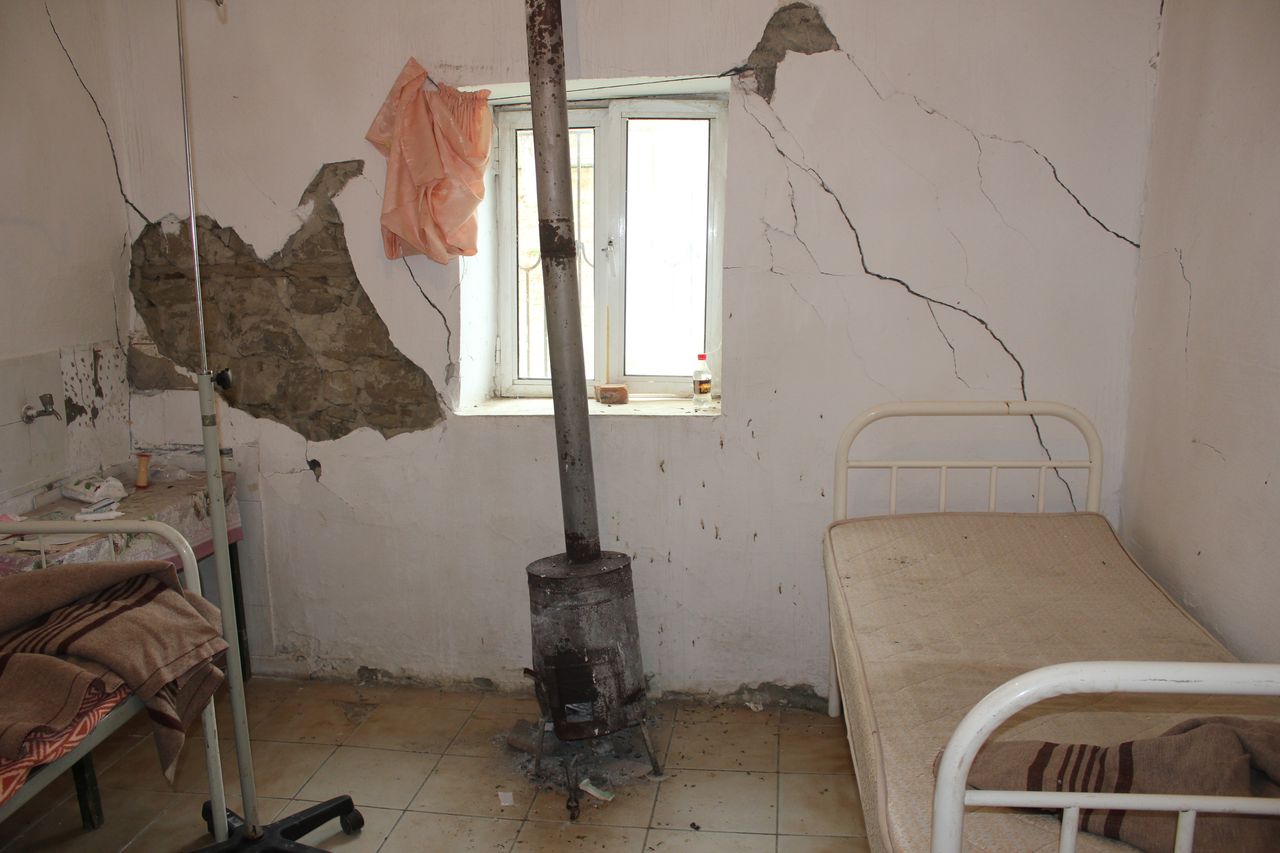
This is a pilot project with a new partner organisation in a new region. The four class rooms of the primary school are in a very poor state and need urgent renovation: new windows, isolation of the floor, new blackboards and heaters, renovation of the toilet etc.

waisen

Gjirokastër, Southern Albania.
The Albanian educational system discriminates against children from poor backgrounds. By giving them poor grades the teachers coerce the children into taking extra tuition so that they can supplement their salaries. Orphans and children who lost one parent can't afford this however and fall behind at school. This project provides extra tuition by qualified teachers for 100 orphans for two months during the summer holidays. The children will be able to catch up and therefore improve their future chances.


.>Realised Projects


With the help of private funding from Switzerland, the schoolchildren's parents erected two buildings from clay brick.


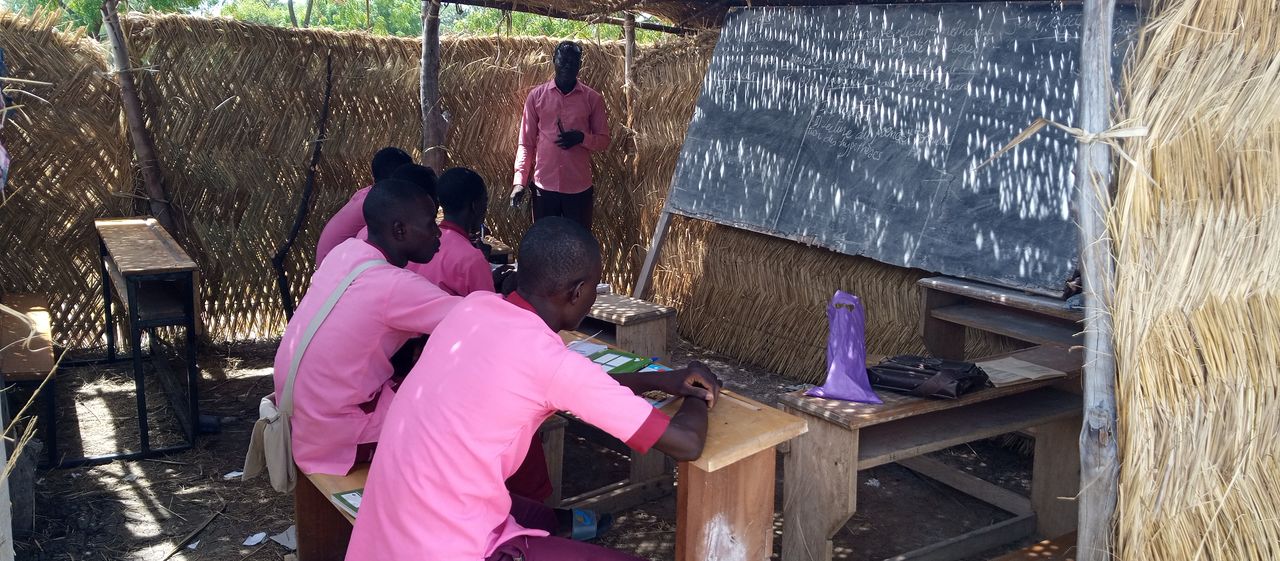
Situated in the midst of the floodplains of Waza-Logone, Kaziré so far had three school buildings – one consisting of a room of concrete (derelict beyond repair), one small clay hut with thatched roof and one makeshift thatch hut. Crammed into that space most of the 230 children sat on clay bricks or tree trunks. There were neither outhouses nor books. Together with the parents' association of the village, IPA projected the erection of two new buildings, including furnishings and an outhouse.


The villagers set to work with great zest, produced the clay bricks and fired them so as to render them more durable. IPA financed only those jobs that could not be carried out by the villagers themselves, such as the roofing of both buildings and their furnishing.


Collaboration between IPA and villagers worked out perfectly; both buildings have turned out of durable, solid quality. Now a total of four rooms can be used – the two new rooms, the room of concrete and the small clay brick hut with thatched roof. The consequences of this improvement can not only be seen, but also already be felt: thirty additional children are now attending school, and more are expected for the beginning of the new scholastic year.